
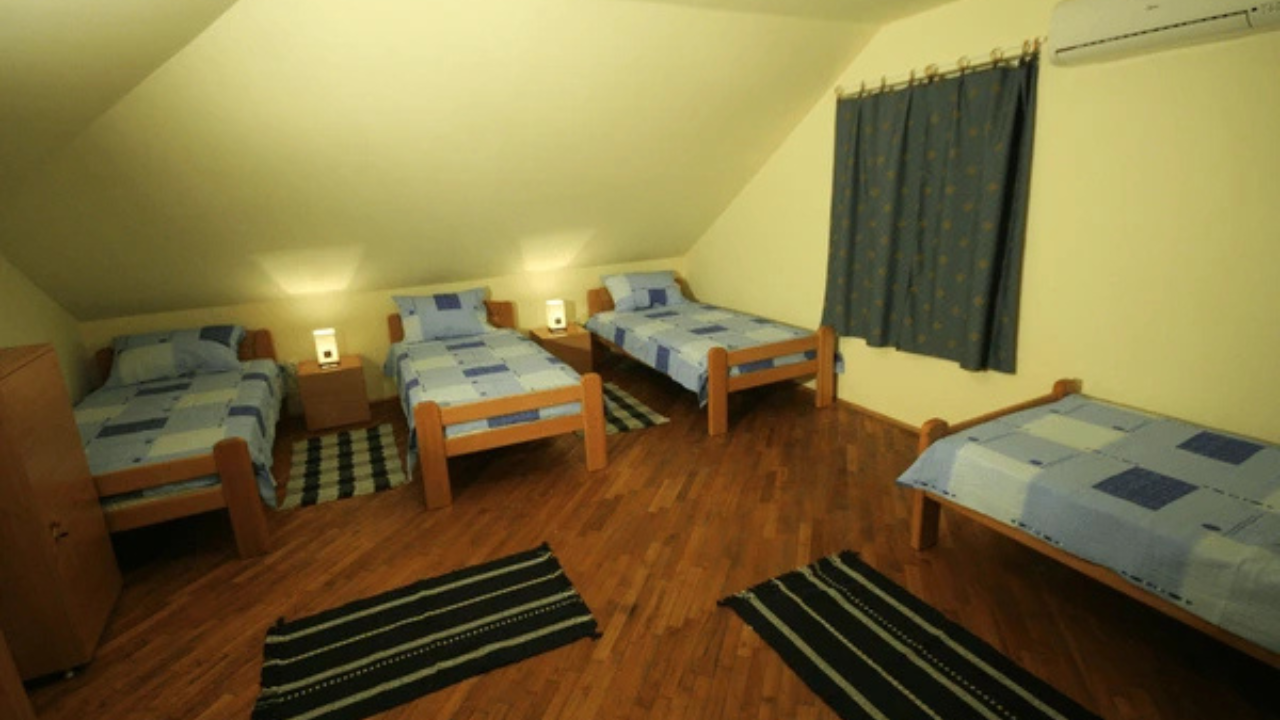
A safe roof is more than a structure, it is the base on which stability, dignity, and hope are rebuilt. For orphans, abandoned individuals, widows, daily-wage earners, and vulnerable families, the lack of shelter forces them into fear, insecurity, and relentless hardship. Without a protected place to rest or store their belongings, progress becomes almost unattainable. Safe shelter is the first and most crucial step in restoring a meaningful life. It brings emotional comfort, physical safety, and the mental clarity required to focus on education, work, and overall personal growth.
Understanding the Importance of Shelter
Shelter protects individuals from dangers that threaten their physical and emotional well-being. People living on the streets or in unsafe environments face harassment, weather hazards, hunger, disease, and insecurity every day. They lack privacy, routine, and stability—fundamental elements every human needs to function normally.
A secure living environment immediately reduces fear and anxiety. When someone no longer has to worry about where they will sleep or how they will survive the night, their mind becomes free to focus on the future. Safe shelter creates the first moment of relief after prolonged suffering. It gives vulnerable individuals the strength to think clearly, rebuild confidence, and take steps toward improving their situation.
Safety, Dignity, and Emotional Healing
A safe home is not only about walls and a roof—it is a space where dignity is restored. Vulnerable individuals who have lived through abandonment, abuse, or instability often lose their sense of self-worth. Constant fear and exposure to danger leave emotional scars.
A protected environment helps rebuild the emotional balance broken by hardship. It offers privacy, calm, and the ability to rest peacefully. This emotional stability becomes the groundwork for future resilience. When people feel protected, they begin to heal. Safe shelter tells them they are valued, supported, and worthy of care.
For orphans and abandoned individuals specifically, a stable living space becomes a replacement for the family environment they lost. It provides structure, routine, and the comfort of belonging—things that deeply influence emotional well-being and long-term development.
A Platform for Education and Personal Growth
Education and skill development are nearly impossible without a secure place to live. Students who lack shelter struggle to study, attend classes, or maintain consistency. Their minds are occupied with survival, not learning.
Safe accommodation removes this barrier. With a stable space, individuals can:
- Attend school regularly
- Concentrate on studies
- Participate in training programs
- Develop new skills
- Plan for career opportunities
Shelter brings order and predictability, which are essential for learning. It transforms individuals from victims of circumstances into active learners and future achievers.
For young adults striving to earn and support themselves, shelter acts as the foundation for building careers. It allows them to pursue jobs, internships, and training programs without fear of losing their living space or safety.
Supporting Physical Health and Hygiene
Living without shelter exposes individuals to extreme weather, infections, malnutrition, and unsafe conditions. Many fall sick repeatedly due to poor hygiene, contaminated surroundings, and lack of rest. Health problems worsen when medical care is unaffordable or inaccessible.
Safe shelter directly improves health by providing:
- Clean living spaces
- Access to hygiene facilities
- Protection from rain, heat, and cold
- Proper storage for food and belongings
- A stress-free environment for recovery
Improved health strengthens the individual’s ability to work, learn, and move toward independence. Shelter becomes the anchor that stabilizes both body and mind.
Creating Pathways to Stability and Independence
Rebuilding a life requires more than temporary relief. It needs long-term stability. Shelter offers the consistent foundation that allows individuals to set goals and work toward them. Once a person has a secure living space, they can gradually regain control over their life.
Safe shelter enables:
- Daily routines
- Financial planning
- Job searching
- Skill-building
- Emotional stability
- Social connection
These elements collectively push individuals toward independence. A secure environment gives them the confidence to take risks, try new paths, and overcome their past struggles. Shelter becomes the launchpad from which new beginnings are created.
Building a Supportive Community Around Shelter
A safe home is even more impactful when supported by a caring community. When people contribute—whether through rent support, maintenance, utilities, or resources—they strengthen the safety net for vulnerable individuals.
Community-backed shelter programs create an environment where:
- No one sleeps on the streets
- Vulnerable individuals feel seen and supported
- People rebuild their lives with dignity
- Individuals transition from survival to growth
This collective effort ensures continuity and expands support to more individuals in need. Safe shelter funded by community compassion becomes a symbol of shared humanity and responsibility.
Final Thoughts
A secure shelter is often the turning point between despair and hope. It is the first building block toward rebuilding a stable, healthy, and dignified life. When vulnerable individuals have a safe place to call home, every other possibility – education, work, health, emotional healing – begins to open.
Safe shelter does not just provide a roof; it provides a future. It gives individuals the chance to rise from their struggles and rebuild their lives with strength and confidence.
Helping someone gain safe shelter is one of the most powerful ways to transform a life forever.