
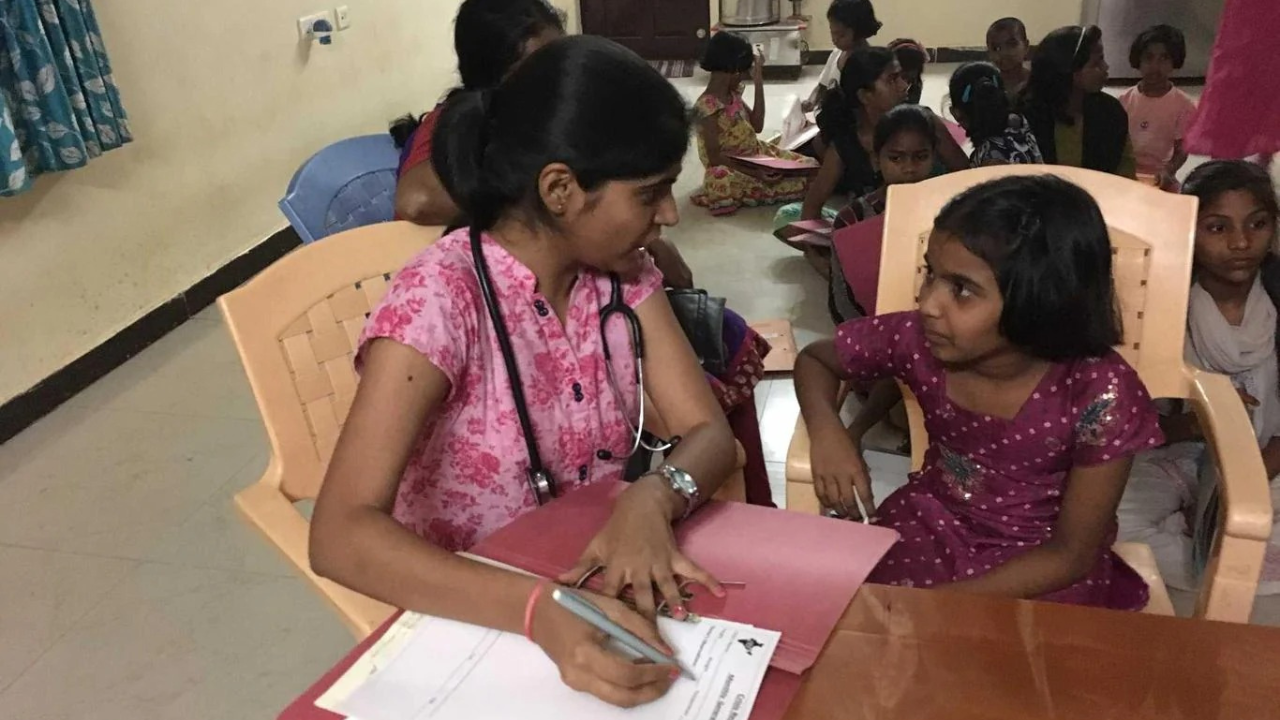
Education is more than books, classrooms, and examinations. For underprivileged youth, it is the doorway to possibility, a path toward independence, and a powerful force capable of breaking generations of poverty. When a child or young adult from a disadvantaged background receives access to education, it does more than teach academic skills—it reshapes identity, builds confidence, empowers decision-making, and opens opportunities that were previously unimaginable. Education holds the power to transform lives, families, and entire communities, making it one of the most impactful investments society can offer.
Understanding the Barriers Faced by Underprivileged Youth
Millions of children and young adults are unable to continue their education simply because they were born into circumstances of poverty. They face obstacles such as:
- Lack of school fees
- Inability to afford books, uniforms, or transportation
- Pressure to work for family income
- Limited access to safe schools
- Inadequate guidance or mentorship
- Social neglect and lack of encouragement
These barriers force many to drop out early, closing the doors to long-term opportunities. Without intervention, they remain trapped in low-income cycles, unable to break free from the hardships their families face. This is where focused educational support becomes transformative.
Education as a Gateway to Economic Independence
Education directly influences financial stability. When underprivileged youth receive proper schooling or skill training, they gain the ability to secure jobs, build careers, and earn with dignity. Even basic literacy improves employment potential and opens pathways previously closed to them.
Higher education or vocational training further boosts earning capacity. Skills such as computer literacy, spoken English, technical training, or trade skills give youth the chance to access better opportunities. This economic empowerment strengthens entire families by breaking the dependency on low-wage work and shifting them toward sustainable livelihoods.
Education does not just help the individual—it uplifts generations.
Building Confidence, Identity, and Self-Worth
Underprivileged youth often grow up hearing that their dreams are unrealistic or out of reach. Poverty, instability, and social judgment damage their self-esteem. Education plays a crucial role in rebuilding confidence.
When a child learns to read, solve problems, or understand new concepts, they unlock a sense of capability. Schools, teachers, and mentors help shape their ambitions, give them purpose, and make them believe in their own potential.
Education provides:
- Recognition
- Encouragement
- Exposure to new ideas
- A sense of belonging
- The courage to dream
This psychological empowerment is as important as academic learning. It helps youth rise above limitations and build strong identities.
Breaking the Cycle of Social Inequality
One of the most powerful aspects of education is its ability to counter social inequality. Children who receive education are more aware of their rights, more confident in social environments, and more capable of demanding fair treatment. Education reduces vulnerability to exploitation, child labor, and harmful practices.
Educated youth also influence their families and communities positively. They encourage siblings to study, guide parents through financial or social decisions, and contribute to community progress. This ripple effect slowly breaks the deep-rooted inequalities that hold entire communities back.
Encouraging Critical Thinking and Better Life Choices
Education teaches more than academic content—it builds the ability to think, question, and make informed decisions. Underprivileged youth who are educated are better equipped to handle real-life challenges such as:
- Financial planning
- Health decisions
- Employment choices
- Social relationships
- Awareness of risks and opportunities
They become independent thinkers rather than victims of circumstance. This clarity helps them navigate life with confidence and resilience.
The Role of Mentorship, Guidance, and Community Support
Support beyond academics is essential for underprivileged youth. Many require emotional, financial, and motivational guidance to stay consistent. Mentorship programs, community volunteers, and educational organizations help youth stay focused and overcome obstacles.
Community support provides:
- Encouragement during setbacks
- Guidance for selecting career paths
- Emotional stability
- Practical assistance like fees or supplies
- A supportive environment that values learning
This collective support system ensures that youth not only start their education but complete it with strength and direction.
From Survival to Ambition: How Education Reshapes Futures
Education transforms mindsets. Youth who once focused solely on surviving each day begin thinking about long-term goals. They create visions for their future—careers, stable income, leadership roles, or entrepreneurship.
Education shifts their life path from struggle to ambition. It allows them to imagine possibilities beyond their circumstances and gives them the tools to turn those dreams into reality.
This transformation is the true power of education. It not only changes where they are but changes who they believe they can become.
Final Thoughts
Education is more than a fundamental right—it is a life-changing force for underprivileged youth. It gives them the strength to rise above hardship, the skills to build successful futures, and the confidence to rewrite their own stories. When society invests in their education, it invests in progress, equality, and future generations.
Supporting education is not just charity; it is empowerment. It transforms vulnerable youth into capable individuals who can lead, uplift, and inspire.
Education is, and will always remain, one of the most powerful tools for transforming lives.